7 bucket-list things to see in Japan in 2026


Steeped in rich history and culture, Japan has endless iconic attractions and landmarks. But, as much as we all wish our annual leave was limitless, it isn't isn’t. So, it helps to narrow it down to a fine selection of must-see things in Japan.

If you've not been to Japan before, these are some of the country's most iconic sites. The kind you'll see all over your Instagram feed and written about in guidebooks -- all for excellent reasons.
With a winning blend of modern, historic, humbling and spiritual, we think this is the perfect combination of things to see on your next trip to Japan. Bonus, is that they can all be combined in a three-city trip if you're not able to visit for very long.

1. Mount Fuji
Where is it? 100 kms southwest of Tokyo and viewed from multiple locations
Best way to experience it: Climb it (not for the faint hearted) or join a day tour from Tokyo
Cost: Varies by tour
Is it even possible to make a list of the best things to see in Japan and not include the country's most notable peak? Still an active volcano, Mount Fuji is a natural landmark that is synonymous with Japan. Standing at 3,776 meters tall, it is the highest mountain in Japan and is considered a sacred site by the Japanese people. Mount Fuji is a UNESCO World Heritage Site that attracts thousands of visitors annually.
Climbing Mount Fuji is a popular activity, and during the climbing season, which runs from July to September, the mountain is filled with hikers from all over the world. The climb to the summit of Mount Fuji is challenging, but the breathtaking views from the top are well worth the effort. Mount Fuji is an important part of Japanese culture and is a must-visit for anyone interested in exploring Japan’s natural beauty.

2. Tokyo Tower
Where is it? Mitato, Tokyo
Best way to experience it: Ride the elevator to the observation deck for epic city views
Cost: AU$15.50
Tokyo Tower is a prominent landmark in the bustling city of Tokyo. Standing at 333 meters tall, it was built in 1958 as a broadcasting tower and has since become a popular tourist attraction. The Eiffel Tower inspires the tower’s design in Paris and features two observation decks that offer panoramic views of the city.
The main observation deck is located at a height of 150 meters and provides an unobstructed view of Tokyo’s skyline. Visitors can also enjoy a meal at the tower’s restaurant, which rotates 360 degrees, offering a unique dining experience. Tokyo Tower is an iconic symbol of Tokyo and a must-visit for anyone visiting the city.

3. Sensoji Temple
Where is it? Asakusa, Tokyo
Best way to experience it: Visit early in the morning or on a weekday and avoid festival times as it gets very crowded.
Cost: Free, but bring money for the many stalls selling Japanese trinkets and food nearby
The colourful Sensoji Temple is said to be the oldest temple in Tokyo and one of the city's most popular tourist attractions. The temple’s history dates back to the 7th century, and it is said to be home to a statue of the Bodhisattva Kannon, which was discovered in the nearby Sumida River.
The temple grounds are home to various buildings and structures, including the main hall, which houses the Kannon statue. Visitors can also enjoy shopping at the Nakamise shopping street, lined with traditional shops selling souvenirs and snacks. Sensoji Temple is a significant part of Japanese culture and religion and is a must-visit for anyone interested in exploring the country’s spiritual heritage.
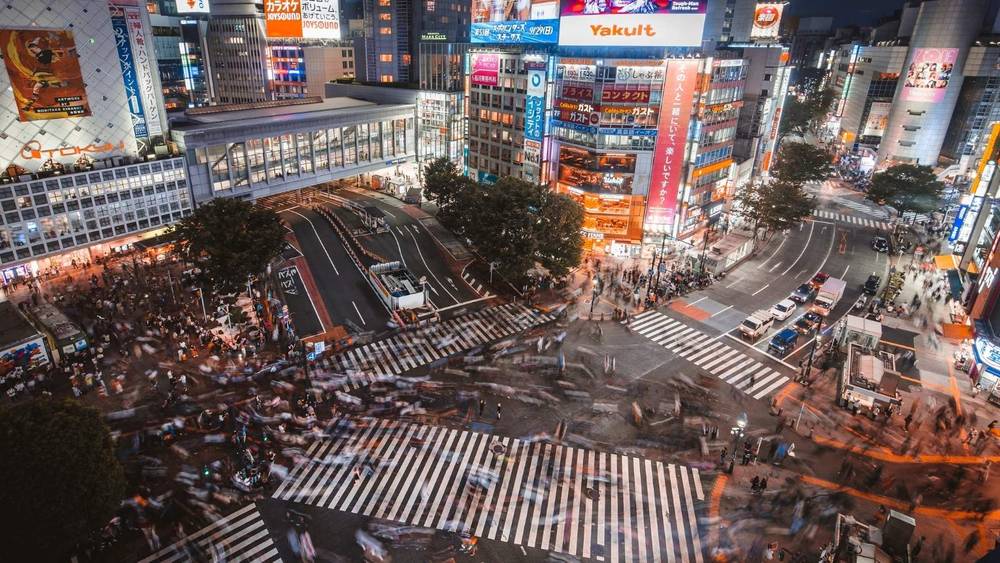
4. Shibuya Crossing
Where is it? Shibuya, Tokyo
Best way to experience it: Walk across it or see it from above via the footbridge
Cost: Free
Japan is probably about the only place in the world that an intersection has become a famous tourist attraction. But, Shibuya crossing is certainly something to be experienced. This multi-directional crossing has hundreds, if not thousands, of people crossing at each light change and is a sight to behold.

5. Hiroshima Peace Memorial Park
Where is it? Hiroshima
Best way to experience it: With a free volunteer guide
Cost: ¥200
The Hiroshima Peace Memorial Park is a poignant reminder of the devastating effects of the atomic bombing in Hiroshima on 6 August, 1945. The park is located at the epicenter of the bombing and serves as a memorial to the victims of the attack.
The park features a museum that displays artifacts and documents related to the bombing, as well as a variety of monuments and memorials that pay tribute to the victims. The park is designed to promote peace and compassion and serves as a reminder of the importance of working towards a world free of nuclear weapons.

6. Himeji Castle
Himeji Castle is a UNESCO World Heritage Site and one of Japan's most famous castles. It is located in Himeji in Hyogo Prefecture and is known for its stunning architecture and beautiful gardens. The castle was built in the 14th century and has been restored several times.
Where is it? Himeji (45 minutes from Kyoto by bullet train)
Best way to experience it: Get entry to both the castle and the gardens
Cost: ¥1,050
Himeji Castle is a UNESCO World Heritage Site and one of Japan's most famous castles. It is located in Himeji in Hyogo Prefecture and is known for its stunning architecture and beautiful gardens. The castle was built in the 14th century and has been restored several times.
The castle’s architecture is a mix of Japanese and Western styles and features a variety of defensive structures, including a maze of narrow paths and steep staircases. Visitors can explore the castle’s interior, which features a variety of exhibits related to Japanese history and culture.

7. Fushimi Inari Shrine
Where is it? Fushimi Ward, Kyoto
Best way to experience it: Walk the torii gate trail
Cost: Free
One of the most iconic walks in Japan, Fushimi Inari Shrine features thousands of red torii gates that guide visitors throughout the forests on Mount Inari. More than 1,000 years old, the shrine is easily accessed by public transport.
What’s the best way to visit all these sites in Japan?
You can combine these sites easily into visits to just a few cities -- and we think they're a great 'Japan for Beginners' option. Here's how:
What to see while in Tokyo
What to see while in Osaka/Kyoto
What to see while in Hiroshima
Get a JR Pass to easily get from one location to the other without having to fuss about getting individual tickets.
JR Passes can also be used on some regional and urban trains, too, which can make getting around big cities like Tokyo easier (and cheaper).
Looking for a bargain on a flight to Japan?
Find the latest deals on fares on the routes below from major Australian cities.
Get your best offer for travel to Japan from Traveloka and the best deals for flight tickets, hotels, destinations, activities, and many more!
Latest deals on flights to Tokyo
Tue, 21 Jul 2026

T’way Air
Sydney (SYD) to Tokyo (NRT)
Start from AU$465.73
Mon, 27 Jul 2026

Scoot
Melbourne (MEL) to Tokyo (NRT)
Start from AU$486.04
Thu, 23 Jul 2026
Scoot
Perth (PER) to Tokyo (NRT)
Start from AU$398.08
Written by: Alex Keshen
The content strategist and SEO lead for Traveloka Australia, Alex manages the blog and other pages across the site. An avid traveller, digital content creator and writer, she’s contributed to publications such as Australian Women's Weekly, Marie Claire, Elle, Gourmet Traveller, Finder and Explore Travel… and has found the time to visit 50+ countries while doing it. She loves good flight sale and will share some of the best ones she can find right here on our Explore blog. Follow her regular Deals of the Week column for the latest bargains on flights, hotels and more.


Find the Perfect Place to Stay in Japan

Hotel Gee
Taira no Takafusa
SAUNALAND ASAKUSA
Joy House
Must-Try Activities in Japan

Delux Dining Experience at Daiki Suisan Hachikenyahama Tuna Stadium | Osaka, Japan

Hokkaido Half-Day Private Charter Car Tour: Biei & Furano Full Course, Asahiyama Zoo, and Hill Tour

Haneda Airport (HND) - Tokyo Private Transfer Service | Japan

5G eSIM for Japan by SIM GO KING
Recommended Articles

Dog Zodiac in 2025: Predictions in the Year of the Snake

Rat Zodiac in 2025: Predictions in the Year of the Snake

Monkey Zodiac in 2025: Predictions in the Year of the Snake

7 Places to Stay in Osaka For First-Timer

Things To Do Around Mount Fuji Japan Beyond the Peak

Japan’s Wildest Roller Coaster : Thrill-Seeker’s Paradise