


Ready to explore the streets of Japan? Grabbing a Japan Rail Pass (JR Pass) allows you to travel the country without stress. This all-inclusive train pass offers unlimited travel on most JR trains, including select Shinkasens (bullet trains). It’s perfect for those trying to hit up some of Japan’s top destinations like Tokyo, Kyoto, Hokkaido, and beyond.
So, if you’re keen to learn more about the JR Pass and whether or not it’s best suited for your upcoming trip to Japan, then you’re at the right place.
What is a JR Pass?
A JR Pass is a specific train pass designed exclusively for tourists, offering unlimited travel on most JR trains for a set period (i.e., 7, 14, or 21 consecutive days). This includes travel on most Shinkansens, JR local and rapid trains, as well as some ferries and buses operated by JR.
As it offers unlimited travel, you won’t need to buy individual tickets at all.
Public transport in Japan is one of the best in the world. With frequent, punctual trains and expansive networks, you can get almost anywhere in Japan with just public transport alone. Not to mention, it’s a lot cheaper to use public transport too (compared to taxis).

Who is eligible for a JR Pass?
Tourists holding visas with a temporary visitor status are eligible for a JR Pass. In other words, if you’re an Australian passport holder and planning a sightseeing trip (up to 90 days) around Japan, you’ll be eligible for a JR Pass.
Japanese citizens living overseas can also get a JR Pass; however, you’ll need to have lived outside of Japan for 10+ years (with supporting documents to prove this).
Modes of transport that are covered with a JR Pass
JR trains
JR buses
JR ferries
Where can you go with a JR Pass in Japan?
A JR Pass gives you access to travel across almost all regions in Japan — that’s why it’s a great pass to consider for travellers.
With a JR Pass, you can hit up major cities like Tokyo, Osaka, Kyoto, Hiroshima, Fukuoka, Sapporo, Sendai, and Nagoya. Scenic and cultural spots like Nara, Nikko, Hakone, Kanazawa, Takayama, Matsumoto, Himeji, and Miyajima, as well as remote areas such as Tohoku, Hokuriku, Chūgoku, Shikoku, and Kyushu.
Which services are not covered by the JR Pass?

Is it worth buying a JR Pass?
Whether a JR Pass is worth it depends heavily on how you plan to explore Japan. If you’re travelling to multiple cities and using Shinkasens often, then a JR Pass may be more cost-effective.
For example, a round-trip from Tokyo to Kyoto on a Shinkansen costs almost as much as a 7-day JR Pass.
If you have a long list of cities or areas to hit in a short amount of time, chances are you’ll be hopping on and off a train pretty frequently. This means individual train tickets might add up, and buying a JR Pass would be more cost-effective.
However, it’s important to note that JR Passes aren’t always suited to everyone — again, it depends on how you’re planning to travel in Japan. If you’re staying in one or just a few areas in Japan during your trip, individual tickets are just as affordable (if not cheaper than a JR Pass).
Further, if you’re travelling shorter distances within a city (i.e., not taking a Shinkansen often) or only making one or two long-distance trips, paying for individual tickets generally comes out to be cheaper as well.
JR Pass prices
There are two types of JR Passes you can choose from: Green and Ordinary JR Passes. Both JR passes provide unlimited trips, but offer different comfort levels.
The Green JR Pass (also known as first class) offers a quieter, more spacious, and premium experience with extra amenities, including drinks and wet towels. An Ordinary JR Pass (standard) offers comfortable and clean seats, comparable to those on an economy fare flight. There are no additional amenities, but the seats offer good legroom and recline.
Ordinary JR Pass prices*
Green JR Pass prices*
Note: The ‘child’ category is for kids between 6 and 11 years old. Kids under 6 years old ride for free.
*Prices can fluctuate a bit with the exchange rate, but the above prices should give you a rough idea of how much passes are
How to buy a JR Pass online
Getting a JR Pass is easy online. You can order it through the official JR Pass website or directly on Traveloka.
You’ll then receive a QR code for the purchase. Keep this handy (also known as an exchange order) and use it to exchange for a JR Pass upon arrival in Japan. You can pick up your JR pass at most major airports and train stations in Japan. If you'd like to plan ahead, you can also make seat reservations in advance online.

Why you should get your JR Pass with Traveloka
While you can buy your JR Pass directly from the JR Pass official website, purchasing it through Traveloka is a simple and easy process.
Handy JR Pass tips
With some of our handy tips below, you’ll be a JR Pass expert in no time.
Ready to explore Japan? From booking flights, buying a JR Pass, to booking hotels and attraction tickets, you can do it all in one place on Traveloka.
Tags:
japan rail pass


Must-Try Activities in Japan
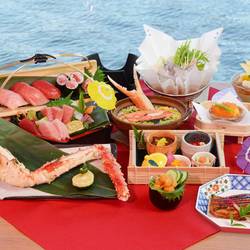
Delux Dining Experience at Daiki Suisan Hachikenyahama Tuna Stadium | Osaka, Japan

Hokkaido Half-Day Private Charter Car Tour: Biei & Furano Full Course, Asahiyama Zoo, and Hill Tour

Nagoya Kamikochi Walking Day Tour

5G eSIM for Japan by SIM GO KING
Recommended Articles

What to know before you go to Japan in October

What to know about SIM cards and eSIMs in Japan

What to know before you go to Japan in September

Pack your bags because Jetstar just dropped $130 flights to Japan and Korea

Golden Week Japan 2025: Here Some Tips for First Timers!

When is Sakura Season in Japan? The Best Time to Visit Japan to see cherry blossoms





 Instagram
 TikTok
 Youtube
